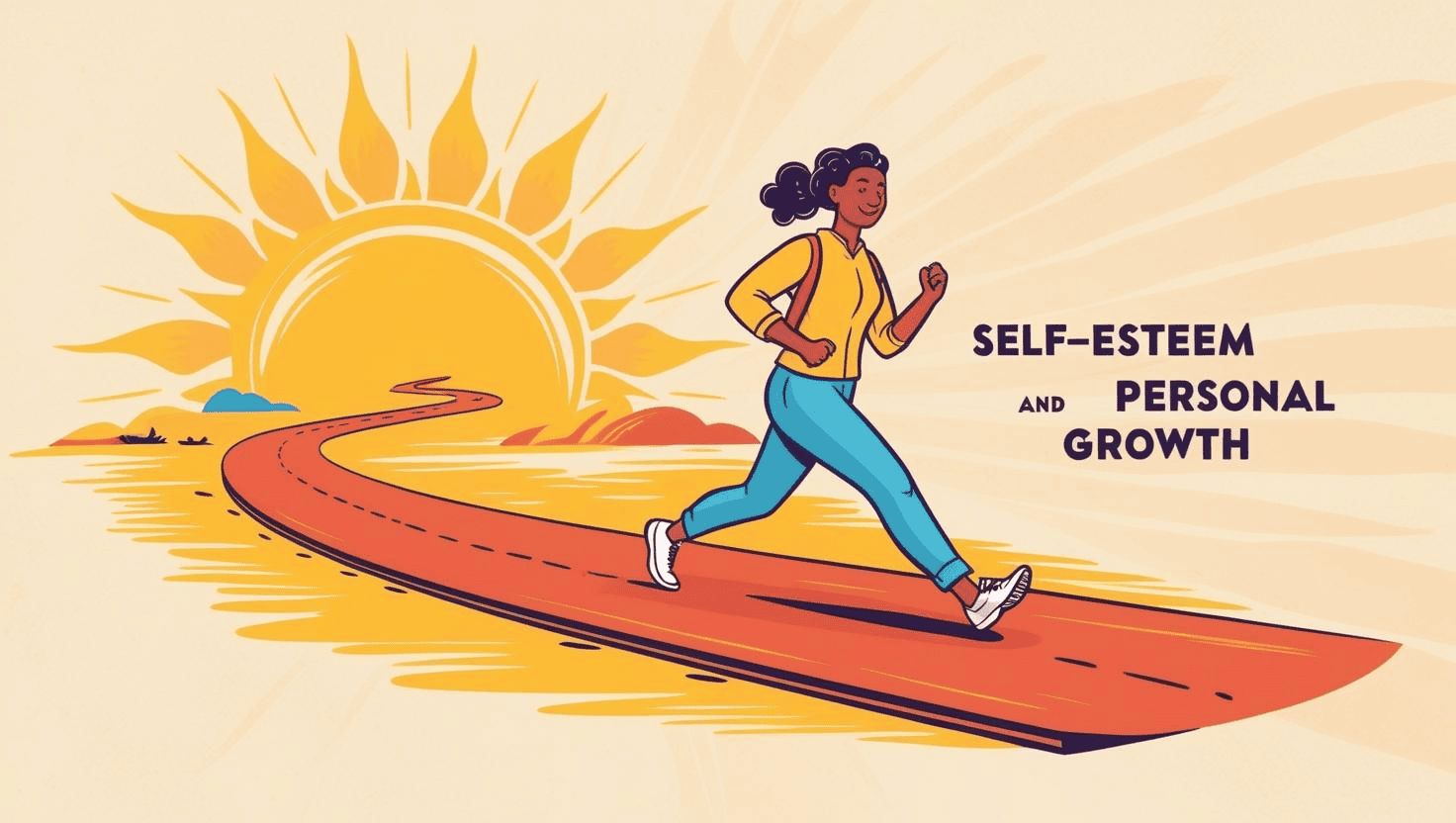
“Who in the world am I? Ah, that’s the great puzzle.” These words about Building Self-Esteem for Personal Growth resonate deeply, echoing a universal question that many of us grapple with, especially during times of significant personal change. The passage you’ve shared is a powerful testament to the journey of rediscovering oneself, a journey marked by profound choices, unwavering support, and the blossoming of self-love. What stands out most vividly is the raw honesty and the palpable sense of hope that permeates the narrative. The author’s courageous decision to embrace a life free from chemical dependency and to actively pursue recovery from depression serves as an inspiring beacon for anyone facing similar challenges.
This feature on Building Self-Esteem for Personal Growth explores the profound journey of self-discovery, emphasizing the importance of connection, honesty, and self-acceptance. It highlights the transformative process of overcoming negative self-perceptions, fostering support networks, and embracing self-compassion. By confronting personal lies, individuals can cultivate a healthier self-image and achieve a fulfilling life marked by authenticity.

A New Self Image – Unveiling the Authentic You
The emphasis on connection, particularly through fellowships like Emotions Anonymous, underscores a fundamental human need – the need to belong and to be understood. The gradual unfolding of self-acceptance, culminating in the beautiful moment of recognizing the person one had always wanted to be, is a powerful reminder that transformation, though sometimes subtle, is indeed possible. The shedding of major fears and the newfound trust in oneself and others paint a picture of profound inner healing and liberation. This journey highlights that self-satisfaction and fulfillment are not elusive dreams but attainable realities for all who are willing to embark on this path of self-discovery, recovery and healing.

Based on this insightful introduction on Building Self-Esteem for Personal Growth, here are eight key areas we can focus on to cultivate a new and improved self-image:
- Consciously examining our internal viewpoints: Understanding the picture we hold of ourselves and how we believe others perceive us is the crucial first step.
- Identifying and challenging negative self-perceptions: Actively working to dismantle the beliefs that tell us we are “nothing” or “worthless.”
- Embracing honesty in all aspects of our lives: Starting with radical honesty towards ourselves, which will naturally extend to our interactions with others.
- Building a supportive network: Actively seeking and engaging with fellowships, groups, or individuals who offer understanding and encouragement.
- Practicing self-compassion and forgiveness: Recognizing our inherent worthiness and letting go of past mistakes and self-blame.
- Making intentional and healthy choices: Consciously selecting behaviors and relationships that nurture our well-being and align with our authentic selves.
- Creating space for introspection and self-care: Dedicating time for reflection, meditation, or activities that allow us to connect with our inner selves.
- Taking responsibility for our journey: Owning our past actions while embracing the power to make different choices in the present moment.
The journey to a healthier self-image often involves understanding the roots of our past insecurities. Reflecting on the provided text, here are five potential factors that might have negatively impacted self-esteem:
- A feeling of worthlessness and lack of hope for the future: This deep-seated negativity can severely distort our self-perception.
- Internalized negative labels and beliefs: Holding onto damaging self-definitions like “whore” or “no-good fool” can trap us in a cycle of low self-esteem.
- The perception of being seen negatively by others: Believing that everyone else views us as worthless reinforces our own negative self-image.
- The impact of depression and potential substance use: These can cloud judgment and distort our ability to see ourselves and the world clearly.
- A history of dishonesty and inauthenticity: Living a life built on lies can erode our sense of self and prevent genuine connection.
The work we are doing here encourages us to “dig deep” and confront the lies we may have told ourselves. This can be a challenging but ultimately liberating process. Some common lies we might tell ourselves include:
- “I’m not good enough.” This pervasive lie can hold us back from pursuing our dreams and recognizing our inherent value.
- “No one understands me.” This can lead to isolation and prevent us from seeking the support we truly need.
- “I don’t deserve happiness.” This damaging belief can sabotage our efforts to create a fulfilling life.
- “I have to be perfect.” This unrealistic expectation sets us up for constant disappointment and self-criticism.
- “Things will never change.” This lie fosters a sense of hopelessness and prevents us from taking action to improve our lives.
- “I can handle this on my own.” While self-reliance is important, denying the need for support can be detrimental to our well-being.
- “My feelings don’t matter.” Suppressing our emotions can lead to further emotional distress and a disconnect from our true selves.
- “I’m a burden to others.” This can stem from feelings of shame or inadequacy and prevent us from forming healthy relationships.

Whether you’re working on yourself or you go to a luxury rehab, depression clinic or burnout retreat makes little difference. It is the honestly you need to develop in confronting these lies and embracing the possibility of a new, authentic self-image, we take the first courageous step towards a life filled with greater self-acceptance, love, and fulfilment. We hope you enjoyed Building Self-Esteem for Personal Growth part 1 and hope you subscribe to the blog and YouTube channels to follow all the other chapters on becoming the best version of yourself regardless of whether you are burnout, depressed, suffer anxiety or even personality disorders. Here, we know the truth, you really can heal your life.
