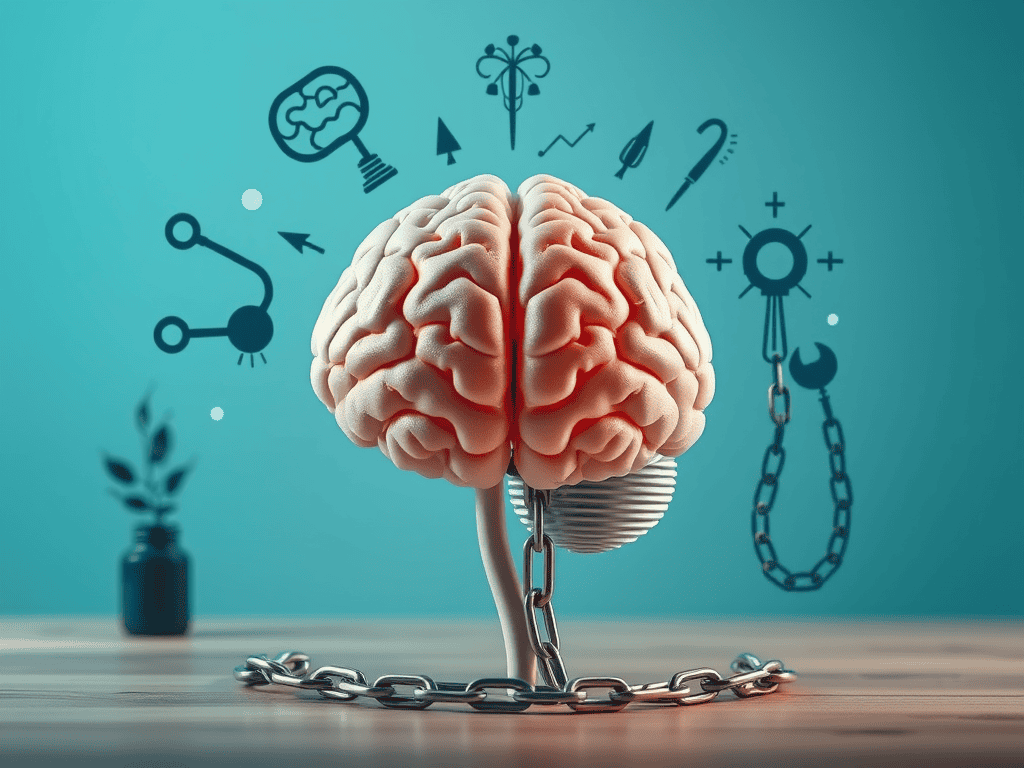
Understanding the Dynamics of Addiction: Manipulation and Excuses
Addiction is a complex disease that affects not only the individual struggling with it but also their loved ones. One of the most challenging aspects for families and friends to navigate is the manipulative behaviour and the constant stream of excuses that often accompany addiction treatment whether at a addiction rehab centre or through any other means. Understanding these behaviours with regards to Manipulation tactics and addiction recovery is a crucial first step toward helping both the addict and yourself.
At our bespoke mental health clinic, we believe in empowering families with knowledge. Science based knowledge that really makes a big difference to either shooting in the dark or actually getting the job of healing and recovery done properly. Here are some extremely important and surprising ways addicts may manipulate others to sustain their addiction, avoid the discomfort of change and live stuck in doing what does not work over and over again:
The Four Pillars of Manipulation tactics and addiction recovery
Addicts often rely on four core emotional tactics to influence those around them:
- Guilt: They may try to make you feel responsible for their problems. You might hear things like, “If you don’t help me, it will be your fault if something bad happens to me.” This is a heavy burden to place on someone, and it’s a powerful tool for manipulation.
- Hope: An addict may promise to change, saying that this is the “last time” they will use or that they will seek help “tomorrow.” They might even show temporary improvement, giving you a glimmer of hope that the problem is solved, only to fall back into old patterns.
- Fear: The fear of the unknown can be paralyzing. An addict might say, “Are you just going to let me die?” or “I could end up in jail.” This instills fear in loved ones, making them more likely to give in to the addict’s demands to prevent a perceived catastrophe.
- Victimhood: To gain sympathy, an addict may portray themselves as a victim of circumstances. They might blame their addiction on a difficult childhood, a job loss, or a failed relationship, saying things like, “If you had been through what I’ve been through, you’d use too.”

Other Manipulative Tactics and Excuses
Beyond these four pillars, there are other common Manipulation tactics and addiction recovery behaviors to watch for:
- Selfishness: The addiction often becomes the addict’s top priority, leading to selfish and self-centered behavior.
- Shame: They may try to make you feel ashamed for not helping them, questioning your love and loyalty.
- Control: Addicts often try to control people and situations to ensure they can continue their substance use without interference.
- Isolation: They may attempt to isolate family members from one another to prevent a united front against their addiction.
- Dependency: By relying on others for money, housing, and emotional support, addicts can continue their substance use without facing the full consequences of their actions.
- Lashing Out: Anger and aggression can be used to intimidate and silence anyone who questions their behavior.
- Lying: Dishonesty is a hallmark of addiction. Addicts may lie so frequently that they begin to believe their own distorted reality, making their lies even more convincing.
One common manipulation tactic is playing the victim. This involves the individual deflecting personal responsibility by blaming external circumstances for their problems. You might hear statements such as:
- “I can’t find a job because no one will give me a chance, and my ex-partner is making my life impossible.”
This narrative is often paired with attempts to justify their addictions, selfish and demanding behaviours and often down right abuse, suggesting that their actions are a natural response to their hardships, albeit based in a series threat state of mind. This leads to small minded, survival and stress styled responses often based whimsically in an alternate reality they try and create and then perpetuate:
- “Anyone in my situation would be using drugs to cope.”
This “woe-is-me” approach is designed to tap into the empathy of loved ones. It often escalates into guilt manipulation if you resist, making you feel responsible for their fate:
Mark L Lockwood has worked as an internationally recognised specialist in addiction recovery for 25 years and reminds us that ” individuals suffering from addiction are often “addicted to their thinking” and trapped in self-created patterns. Lockwood’s work focuses on finding a “higher, healed, and sacred self” by addressing the root causes of addiction and embracing a process of life transformation. ” He says that other psychological tactics of manipulation include these biggies:
- Shifting Blame and Adopting a Victim Narrative: Instead of acknowledging their role in their challenges, the individual may point to external factors as the sole cause of their difficulties. For example, the statement, “I have tried to get a job, and nobody will hire me. My soon-to-be ex-wife is causing me all these problems,” is a classic attempt to externalize blame. This positions them as a helpless victim of an unfair world or other people, making it easier to elicit sympathy and avoid accountability.
- Justifying Destructive Behavior: To normalize their substance use, they might suggest that anyone faced with similar pressures would resort to the same coping mechanisms. The phrase, “If you were going through what I was going through, you would use drugs too,” is a tactic used to lower your resistance and make their choices seem rational or inevitable under the circumstances.
- Emotional Coercion and Guilt Induction: This is perhaps the most direct form of manipulation. When the victim narrative isn’t enough, the individual may escalate to emotional threats. The statement, “So, you’re not going to help me? Then if I die or go to jail, it is your fault. You don’t love me anymore,” is a powerful form of emotional coercion. It unfairly places the responsibility for their life-and-death outcomes onto the loved one, leveraging their fear and love to force compliance. This tactic links providing help (often in the form of enabling) directly to the concept of love and care.

How to Move Forward
If you recognise these manipulation tactics and addiction recovery patterns in your relationship with an addict, it’s important to remember that you are not alone and that help is available. Setting healthy boundaries is essential for your own well-being and can be a crucial step in motivating the addict to seek help.
“The question is not why the addiction, but why the pain.” Gabor Mate
Our top private mental health clinic, mental healing programs, psychiatric centre assistance from some of the best practitioners in the world and offers support for both individuals struggling with addiction and their families. Contact us today to learn more about our programs and how we can help you navigate the path to recovery.
Addiction affects both the individual and their loved ones, often involving manipulation and excuses. Addicts utilize tactics like guilt, hope, fear, and victimhood to sway others. Recognizing these addictive behaviours like any experienced recovery treatment teams do is vital for families, providing an understanding that enables them to set boundaries and seek support, ultimately aiding recovery for all involved.
