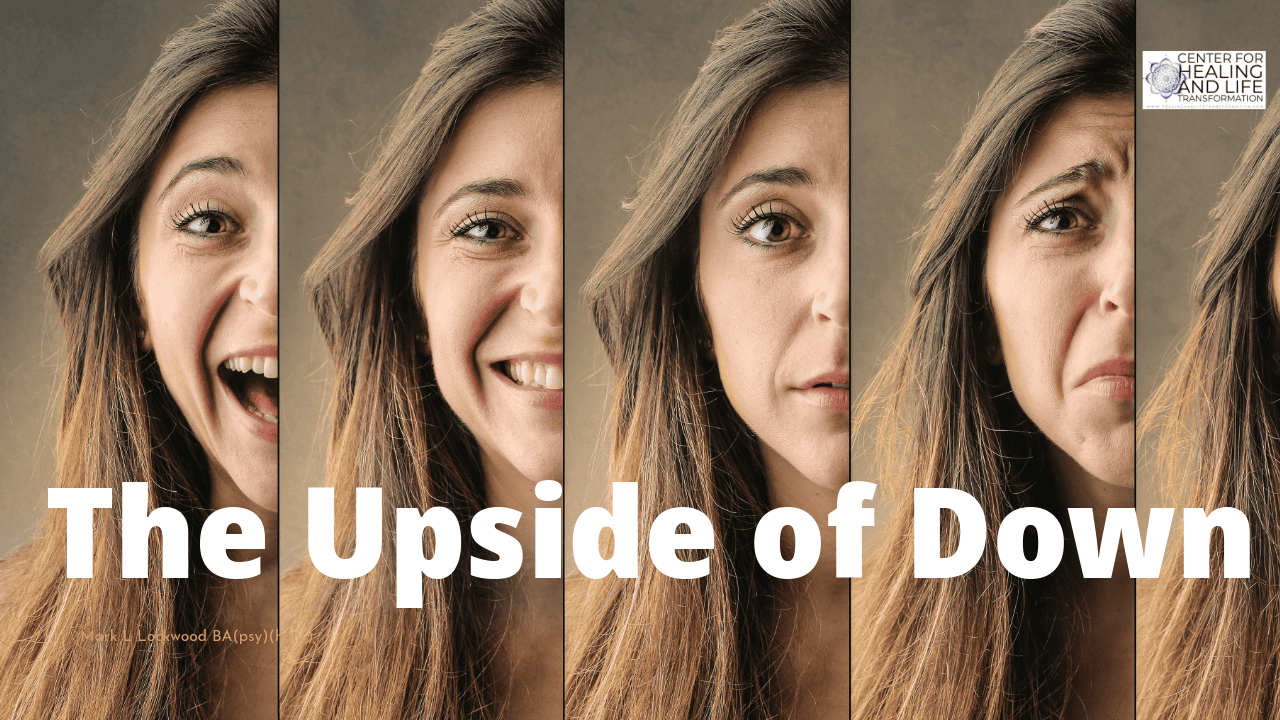
We’ve been taught to fear negative emotions. Depression, stress, anxiety, burnout – these are the unwelcome guests at the party of life, the ones we try to usher out as quickly as possible. We medicate them, distract ourselves from them, and generally treat them as enemies. But what if, instead of being harbingers of misery, these feelings are actually messengers of wisdom? What if their purpose isn’t to torment us, but to protect us? What if the “negative” emotions are, in fact, vital feedback loops designed to prevent us from making mistakes?
Consider what we have found at our luxury wellness centre through decades of research: pain is a universally understood signal. We touch a hot stove, we feel pain, we pull our hand away. The pain isn’t there to make us suffer; it’s there to prevent us from serious injury. Emotional pain works much the same way. We experience a loss, we feel grief. That grief isn’t simply an unpleasant experience; it’s a process that allows us to heal and adapt.
The problem is, we’ve developed a culture that pathologizes all discomfort. We’re so focused on chasing happiness that we’ve forgotten that a life without struggle is a life without growth. We’ve forgotten that the “negative” emotions are just as important as the “positive” ones. They’re not the enemy; they’re our allies, whispering crucial information about ourselves and our world.
Think about Using negative emotions for healing yourself:
- Outrage as a Call to Action: That burning feeling of injustice, that surge of anger when you witness something wrong – that’s not just negativity for the sake of it. It’s a signal. It’s your internal compass pointing you towards something you value, something you’re willing to fight for. Outrage, channeled correctly, can be a powerful catalyst for positive change. It prompts us to speak up, to challenge the status quo, to advocate for what we believe in. Suppressing it doesn’t create peace; it breeds resentment and stagnation. Using negative emotions for healing yourself is not an option!
- Anxiety as a Preparatory Tool: Anxiety, often seen as the ultimate villain, can actually be a powerful motivator. That flutter in your stomach before a presentation, that restless feeling before a big decision – it’s your body’s way of preparing you. Anxiety, in moderate doses, sharpens our focus, encourages us to anticipate potential problems, and drives us to be better prepared. It’s not about eliminating anxiety altogether; it’s about learning to harness its energy and use it to our advantage.
- Guilt as a Moral Compass: Guilt, when appropriate, isn’t about wallowing in self-pity. It’s a crucial indicator that we’ve crossed a line, violated a value, or harmed someone. It’s a reminder to repair, to apologize, to make amends. It’s an opportunity for growth and self-improvement. Without guilt, we risk becoming detached from our moral compass, losing our sense of right and wrong.
- Disappointment as a Catalyst for Persistence: Disappointment is inevitable. We won’t always get what we want. But disappointment isn’t an invitation to give up. It’s a cue to re-evaluate, to adjust our approach, and to keep going. It’s a reminder that success often comes after a series of setbacks. Disappointment, when processed constructively, can fuel our resilience and strengthen our resolve.
- Burnout as a Signal to Rest: Burnout isn’t a badge of honor; it’s a cry for help. Symptoms of burnout are your body-heart-mind telling you that you’ve pushed yourself too far, for too long. It’s a signal to slow down, to prioritize self-care, and to reassess your priorities. Ignoring burnout can lead to serious physical and mental health problems. Recognizing it as a vital message is the first step towards recovery and a more sustainable way of living.
And perhaps most importantly, pain, both physical and emotional, reveals our principles. Where we hurt is a clue to what we value. If the loss of a friendship causes you deep pain, it speaks volumes about the importance of connection in your life. If a professional setback leaves you reeling, it highlights the significance of your career and your sense of purpose. Pain, though unpleasant, can be a powerful teacher, guiding us towards a deeper understanding of ourselves and what truly matters to us. Using negative emotions for healing yourself is this guide to deeper understanding.

The post challenges the perception of negative emotions as adversaries, suggesting they are essential messengers that guide personal growth. Pain, depression, anxiety, and burnout serve critical purposes, offering insights into values and prompting necessary action. Embracing these emotions can lead to emotional well-being and a deeper understanding of oneself and life’s complexities.
The journey to emotional well-being isn’t about eradicating negative emotions. It’s about learning to listen to them, to understand their language, and to use their wisdom to navigate the complexities of life. It’s about recognizing that the “negative” emotions, far from being our enemies, are actually valuable allies on the path to a more meaningful and fulfilling existence.
The Centre for healing in life transformation is a new style of depression clinic in South Africa. I psychiatric and psychological wellness centre helps people heal and transform their lives in the comfort of a homely and non-clinical environment. We’ve helped thousands of people heal and transform since 2012 and I’ll team of psychotherapists and holistic healers all comprise a powerful dream team that is well known around the world. We look forward to having you come heal with us.

